Avoid These 7 Mistakes Corporate Brand Activations
Corporate brand activations in Toronto's competitive market can make or break your brand's reputation. Designing for global Brand in Toronto for over a decade we know these high-stakes experiences demand seamless execution at every touchpoint. Whether you're planning an activation at the Distillery District, Harbourfront Centre, or anywhere else in the Toronto, flawless execution is non‑negotiable, because the right details convert curious passersby into loyal advocates.
After orchestrating countless corporate events across Toronto And Montreal for global brands like Estée Lauder Companies, Puig and Mattel, we've identified the most common and costly mistakes that undermine brand activations. Our advantage: custom-curated concepts (no preset packages), fully in-house planning, photoreal digital renderings, and in-studio mock‑ups so you can see, edit, and approve the design before build. Here's what's going wrong and how to Avoid It.
1. Hiring Inexperienced or Inadequately Trained Staff
Your staff are the living embodiment of your brand during activations, yet many companies treat staffing as an afterthought. The temptation to cut costs by hiring through gig platforms or temp agencies often leads to brand ambassadors who show up unprepared, unfamiliar with your product, or unable to engage meaningfully with attendees.
Picture this: a potential client approaches your activation booth, genuinely interested in your services, only to encounter staff who can't answer basic questions or seem disengaged. That first impression becomes your brand's lasting impression.
The Fix: Implement rigorous vetting that evaluates communication skills, enthusiasm, and relevant experience. Create comprehensive training programs that include brand immersion sessions, product knowledge deep-dives, and role-playing exercises. Partner with an event organizer Toronto whose staffing, production, and event and design teams are fully in-house so your ambassadors reflect the design intent. Your staff should feel confident representing your brand, not just filling space.
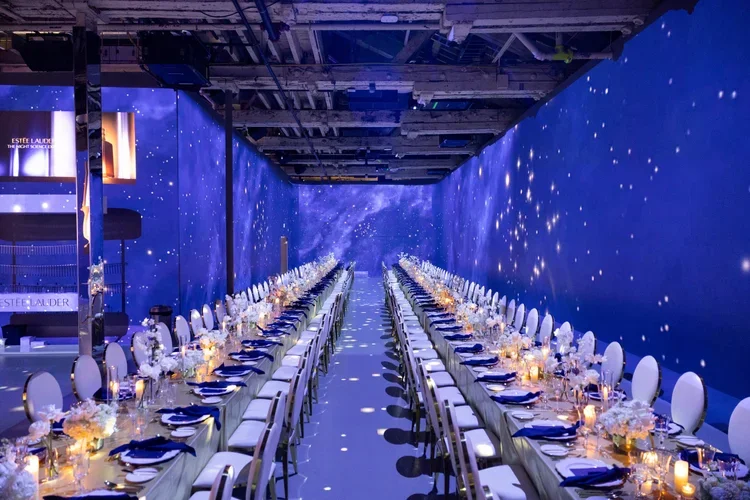
Estee Lauder Own The Night @ Toronto’s Iluminarium
2. Forgetting That Your Brand Is More Than Just a Logo
One of the most pervasive mistakes we see is reducing brand identity to visual elements alone. Your brand encompasses your color palette, typography, tone of voice, visual style, and overall personality: not just your logo slapped on promotional materials.
When activations focus solely on logo placement while neglecting these other elements, the result feels disjointed and unprofessional. Clients notice when branding feels rushed or inconsistent across touchpoints.
The Fix: Develop a comprehensive brand guide that defines all visual and experiential elements. Use digital renderings and in-studio mock-ups to preview how the brand lives across assets before build. Every aspect of your activation, from booth design to digital content to staff uniforms, should reflect unified brand identity, guided by event design Toronto best practices. This creates the cohesive, luxury experience that Toronto's discerning corporate clients expect.
3. Unclear or Inauthentic Brand Messaging
Modern consumers possess finely-tuned authenticity detectors. When your activation messaging feels forced or disconnected from your brand's true values, audiences notice immediately. The attempt to convey purpose often registers as inauthentic or exploitative if execution doesn't align with genuine brand identity.
This mistake becomes particularly costly in Toronto's diverse market, where cultural sensitivity and authentic representation matter enormously to brand perception.
The Fix: Ground your activation messaging in authentic brand values that resonate with your core audience. Test concepts with diverse focus groups before launch to identify potential blind spots. Work with a partner that builds custom-curated concepts (no preset packages) so messaging, content, and fabrication remain aligned end-to-end. Remember that exceptional ideas can prove disastrous if enacted poorly—the devil truly lies in the execution details.

Colas Canada Annual Gala Steam Whistle Brewery
4. Misalignment with Your Target Audience
Failing to deeply understand your audience before finalizing activation concepts can alienate the very people you're trying to reach. We've witnessed campaigns that focused on aspirational messaging without considering whether it resonated with core customers, resulting in immediate disconnection and negative feedback.
The choice of influencers, spokespersons, or activation elements that don't align with your target demographic creates instant barriers to engagement. When criticism erupts: and in Toronto's connected market, it spreads quickly: brands often compound the issue with inadequate responses.
The Fix: Conduct thorough audience research before finalizing any activation concept. Partner with influencers and select elements that genuinely align with your brand values and appeal to your core demographic. Develop crisis management protocols that enable prompt, effective responses to negative feedback.
5. Letting Design Elements Overshadow Your Actual Experience
A common trap for creative professionals is allowing marketing designs or branding intricacies to compete with: rather than complement: the activation experience itself. When design choices are too bold or complex, they distract attendees from engaging with your brand message and experiencing what you've created.
Potential clients want to experience what you can create for them, but if your design elements dominate the space, they may never get the full picture of your capabilities.
The Fix: Hiring a team who understands The Art of Restraint. Keep layouts clean and allow the activation experience to take center stage. Use neutral or muted brand colors around key experiences instead of bold, competing hues. Leverage digital renderings and in-studio mock-ups to refine proportions, sightlines, and flow before production. Design with user experience in mind, ensuring easy navigation, clear messaging, and intuitive flow through the activation space—hallmarks of thoughtful event design Toronto.

Jean Paul Gautier Installation @ EWG
6. Forgetting to Capture Data and Measure ROI
Many brand activations fail to establish clear mechanisms for capturing attendee data, tracking engagement metrics, or measuring return on investment. Without these systems, you have no way to demonstrate the activation's value or optimize future events based on concrete insights.
This oversight becomes particularly problematic when justifying activation budgets to stakeholders or planning future campaigns. Toronto's competitive corporate landscape demands measurable results.
The Fix: Build data capture into your activation from the beginning. Implement registration systems, lead collection tools, or engagement tracking technologies that quantify attendee interactions and enable effective follow-up. Define clear objectives and key performance indicators before the event, then rigorously measure against these benchmarks.
7. Inadequate Staff-to-Attendee Ratios
Understaffing creates bottlenecks, long wait times, and frustrated attendees who leave without fully experiencing your brand. When staff members are overwhelmed, they cannot provide quality interactions that transform casual visitors into engaged prospects.
Conversely, overstaffing wastes budget and can make your activation feel uncomfortably crowded or pushy from a staffing perspective. Finding the right balance requires strategic planning and real-time flexibility.
The Fix: Calculate appropriate staffing levels based on expected attendance, activation complexity, and desired engagement type. Plan for peak periods and ensure contingency staff availability. Consider different roles: greeters, product demonstrators, data capture specialists: to ensure comprehensive coverage without overwhelming individual team members. Monitor flow throughout the activation and be prepared to adjust staffing dynamically.
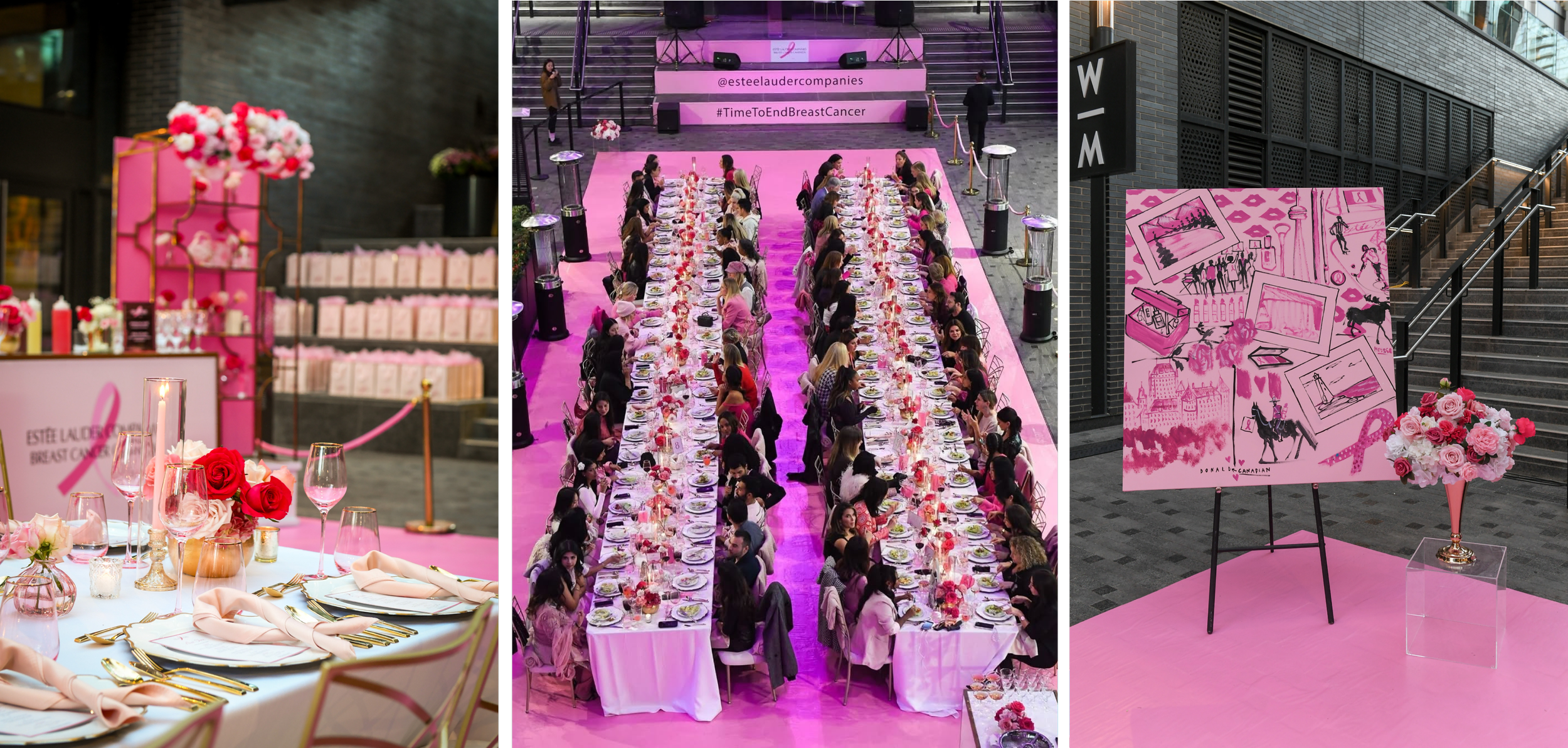
Estee Lauder @The Well BCC
Alexandria Design House Process and Foundation First Philosophy
In Toronto and the Greater Toronto Area, high-impact brand activations don’t start with décor.
They start with strategy, structure, and execution. At Alexandria Design House, we operate as spatial event architects offering full serive production, leading every layer of the event from concept to completion.
Design. Production. Florals. Fabrication. Logistics. One direction. Fully aligned.
Each and Everyone of our clients can expect us build from the ground up. No templates. No preset packages.
Each concept is developed through:
spatial planning
photoreal renderings
in-studio mockups- So decisions are made with clarity before execution begins.
For corporate teams, this means:
aligned messaging across every touchpoint
efficient production and controlled budgets
events designed to perform, not just appear
Just a fully guided process from concept to execution.
Ready to elevate your next corporate brand activation? Let's discuss how strategic event design can transform your brand experience.