Intentional Design: Higher Standard Event Experiences
Intentional Event Design: What the Industry Gets Wrong About What It Means "Intentional design" is everywhere now.
Every decorator uses it. Every planner lists it. Every proposal promises it.
And yet the majority of events produced under that language still begin with a mood board. Still open with a colour palette conversation. Still treat the visual layer as the starting point rather than the result.
That is not intentional design. That is aesthetic preference with a better name.
Intentional design is structural. It begins before a single image is referenced. And it produces a fundamentally different kind of event · not because it looks different, but because it was built differently from the foundation.
What Intentional Actually Means
Intention requires a target.
Before a room can be designed intentionally, the room's purpose must be established with precision. Not in general terms. Not "we want guests to feel welcomed." In structural terms.
What is the emotional objective of this event? What does a guest need to feel at arrival · at the midpoint · at departure? What does the spatial sequence need to carry from the entrance to the furthest point in the room?
These are not aesthetic questions. They are architectural ones. And they must be answered before any visual decision is made.
When they are not · when design begins with how a room should look rather than what it needs to accomplish · the result is an event that is visually coherent but spatially hollow. Guests move through a beautiful room that gives them nothing to feel.
That is the most common failure in Toronto event design. And it produces events that photograph well and are forgotten within a week.
The Structure Behind the Aesthetic
The House applies The Spatial Method™ to every engagement · corporate and wedding alike. The sequence does not change.
Clarity · Spatial Architecture · Experience · Aesthetics.
Clarity is the emotional and strategic truth of the event. What this moment means. What the room must carry. This is established before anything is visualized.
Spatial Architecture follows. How the space works · flow, movement, arrival sequence, transition points, the psychology of how guests move through a designed environment. This is not floor plan logistics. It is the structural intelligence that determines whether a room feels right or simply looks right.
Experience is the sequence of moments built on top of that structure. Not what guests see · what they feel moving through it. The arrival. The reveal. The shift in atmosphere as the evening progresses. Designed in sequence. Not in isolation.
Aesthetics closes the sequence. The visual layer is the last decision made · not the first. Not because it matters less · but because when Clarity, Spatial Architecture, and Experience are correctly structured, the aesthetic emerges from the logic of everything above it. It is not applied. It is earned.
This sequence is why an event designed by The House feels different before anyone can articulate why. The structure is doing work the eye cannot see.
What Higher Standard Clients Understand
Clients who have worked with decorators know what aesthetic execution looks like. They have seen beautiful rooms that did not move anyone. Events that hit every visual mark and produced no memory worth carrying.
Higher standard clients · the ones The House works with · arrive with a different question. Not "what will this look like?" but "what will this produce?"
They understand that the investment in design is not the cost of making something beautiful. It is the cost of making something work. Structurally. Spatially. Experientially.
That distinction is the foundation of every engagement The House takes on · whether it is a higher standard wedding in Vaughan, a corporate brand activation in Toronto, or a milestone event in Montreal.
The aesthetic is never the argument. The structure is.
The Honest Version of "Intentional"
If a designer cannot tell you what the emotional objective of your event is before showing you a single image · they are not designing intentionally. They are decorating deliberately.
Those are not the same thing.
Intentional design requires a framework. A sequence. A governing principle that precedes every visual decision and holds every vendor accountable to the same spatial brief.
The House built that framework. It is called The Spatial Method™. It has been the operating standard for 16 years across corporate brand events, higher standard weddings, and every engagement in between.
It is not a philosophy. It is a process. And it produces events that feel exactly like what they were designed to feel · because they were built to feel that way from the first conversation.
Every engagement begins with a diagnostic assessment.
Not a mood board. Not a venue walk-through. A conversation about what this event needs to carry.
Alexandria Design House · Spatial Event Architecture · Toronto · Vaughan · GTA · Montreal
The Spatial Method™ · La structure avant tout.
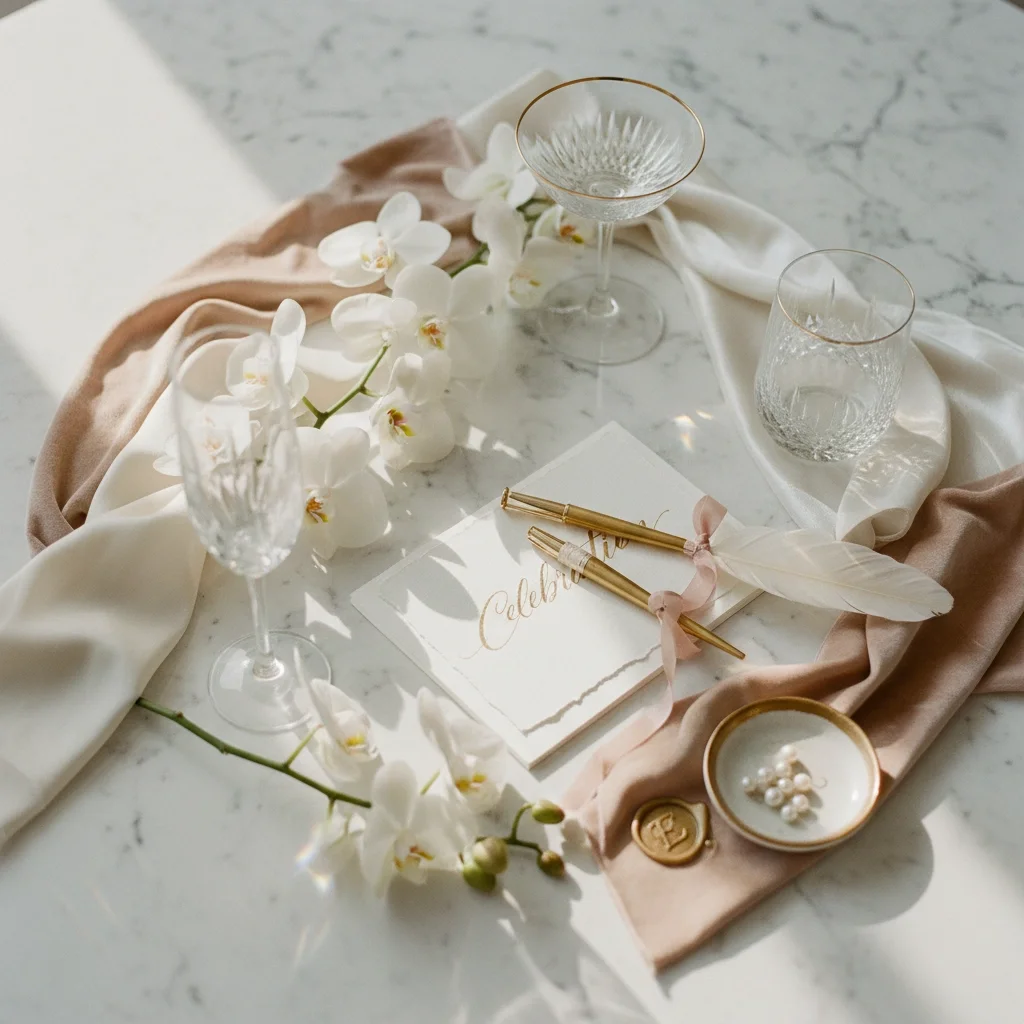
Wedding design Toronto by Alexandria Design House